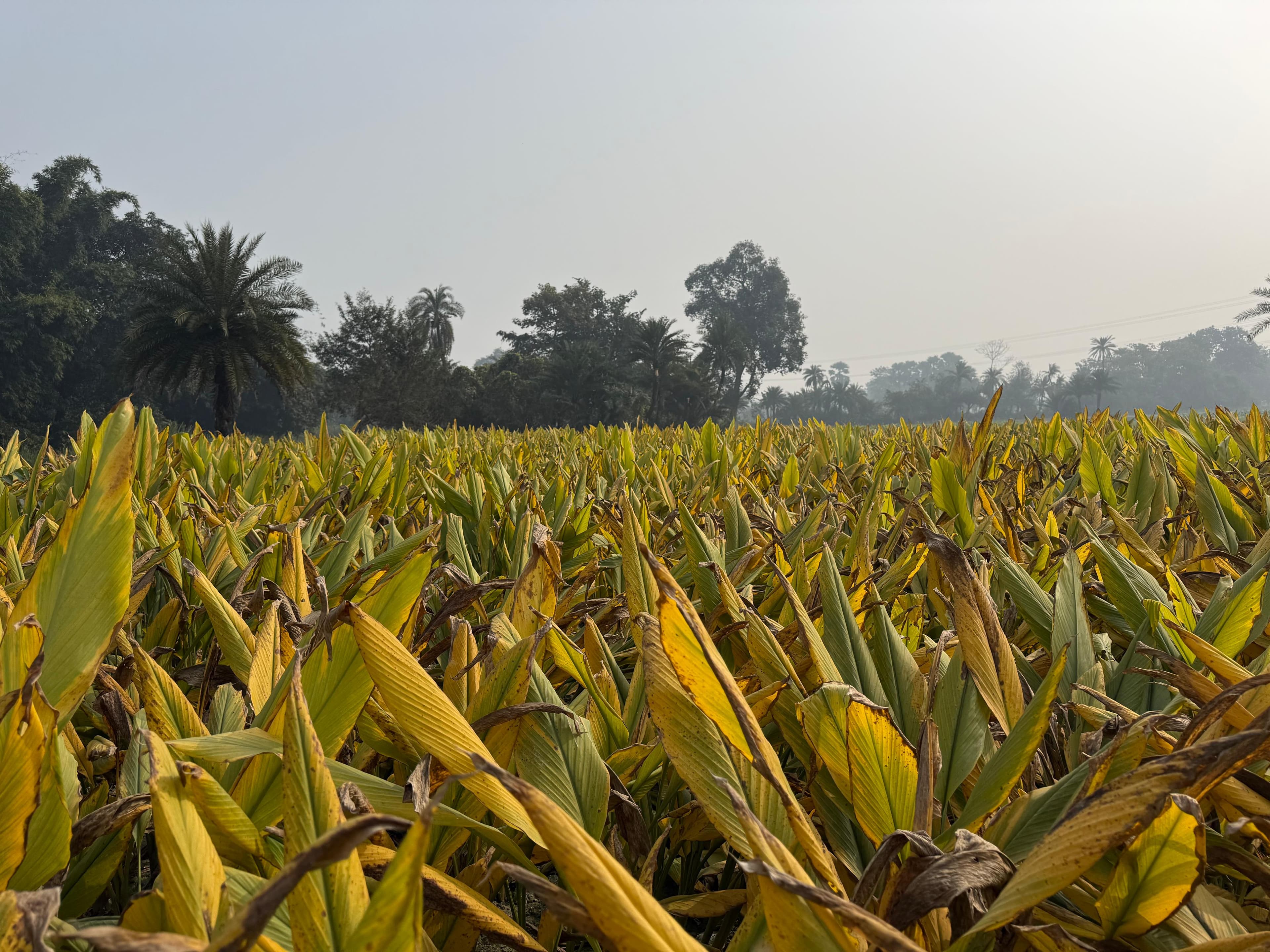
Everyone says they’re “transparent” these days. We try to show it, not just say it.
For us, a transparent supply chain means you can trace an ingredient back. Not to “India” or “Bihar,” but to a region, a season, and ideally the group of farmers or harvesters we bought from. It means we know who did the drying, who did the roasting, and who packed the bag. When something goes wrong—a bad batch, a delay—we know where to look and who to talk to.
It also means fewer middlemen. Every extra link is a place where information gets lost and margins get squeezed. Farmers often get the smallest share when the chain is long and opaque. When we shorten the chain, we can pay better at the source and still keep our product affordable. And we can be honest about what we don’t know—for example, if a batch got mixed at some point, we’d rather say so than pretend we have full traceability.
So when we talk about building a transparent food supply chain, we’re not just using a buzzword. We’re trying to make it so that “where does this come from?” has a real answer—and so that the people at the start of the chain are visible and valued.